Only 17.2% of Salvadoran small businesses use AI today, and that use is still at an early, basic stage: mostly customer service, content and simple repetitive tasks, according to the FUSAI observatory (Diario El Salvador). A 2026 assessment by UNESCO and the national AI agency named the shortage of trained specialists as the country's main barrier to AI (El Diario de Hoy).
The picture is similar across the region. McKinsey estimates that generative AI could add US$20 to 30 billion a year to Central America and the Caribbean by 2030, about 5% of GDP. Yet 91% of organizations that call it a priority say they do not feel prepared to do it responsibly (McKinsey, 2024).
At the same time, the rules are changing fast. The Ley de Fomento de la Inteligencia Artificial y Tecnologías (February 2025) created the national AI agency ANIA, and in September 2026 a new regime allowed ANIA to hire experts, trainers and advisors directly (Infobae).
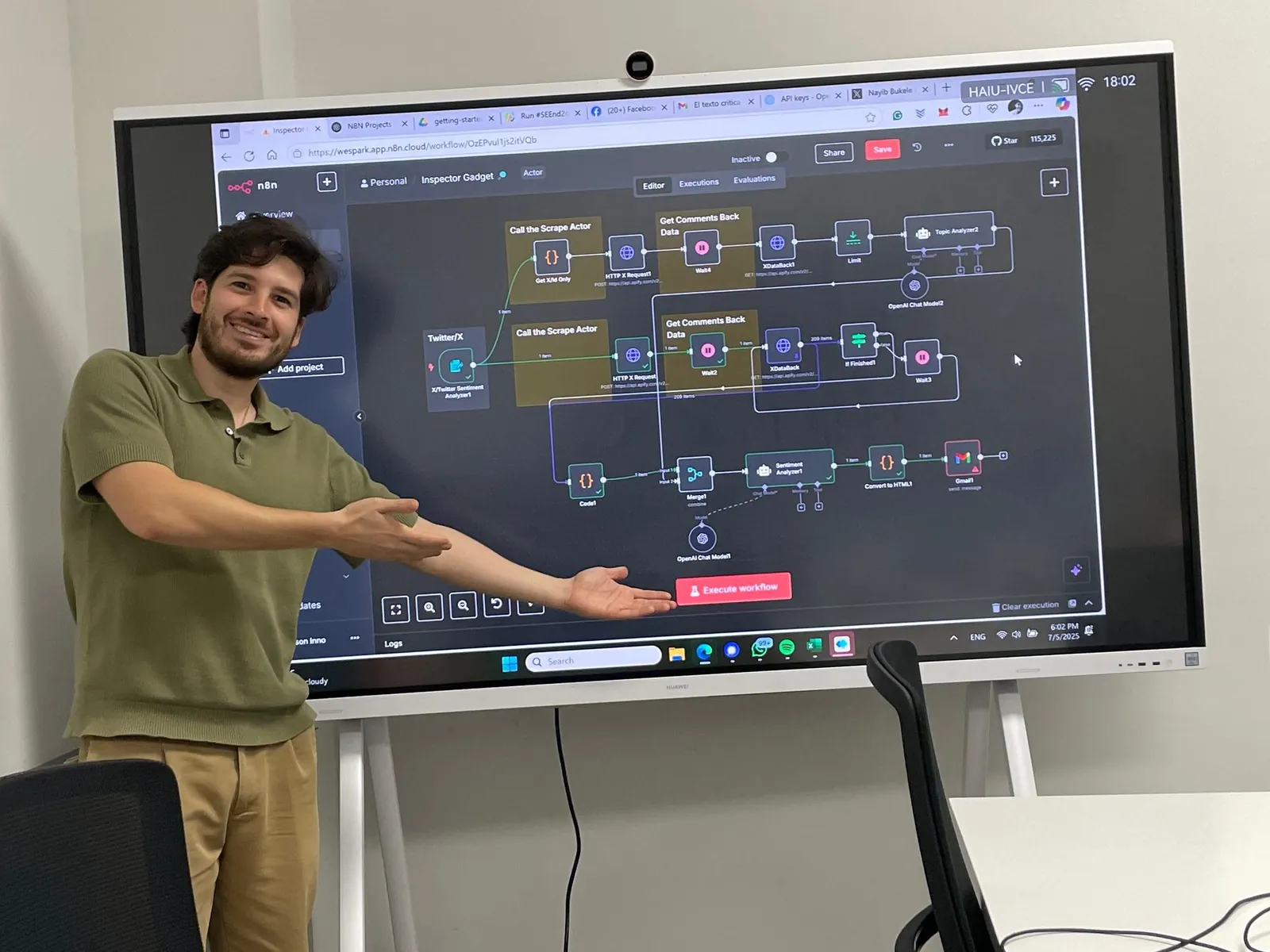
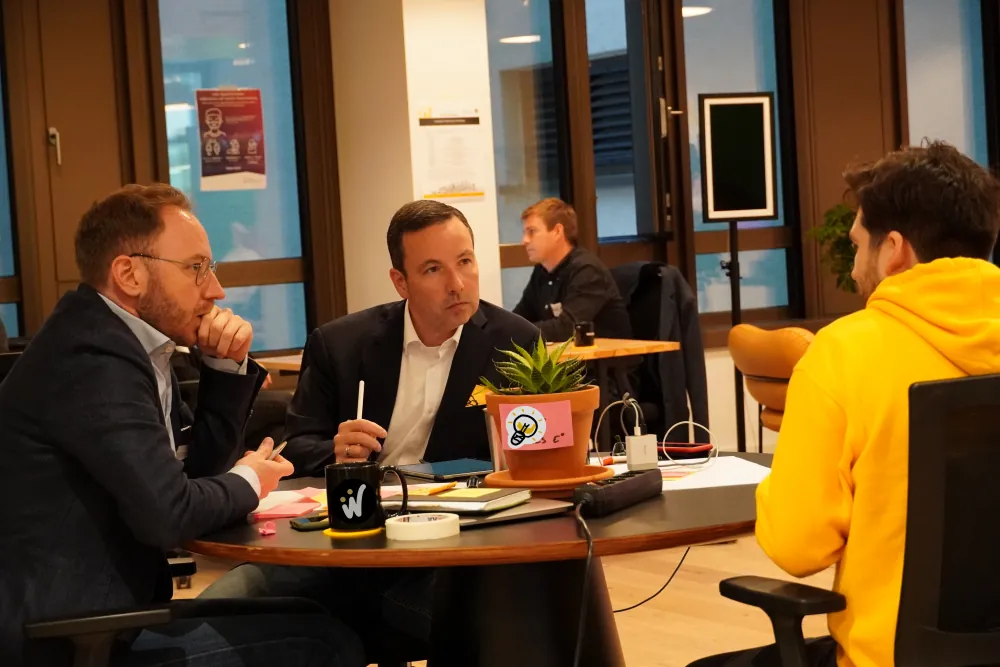
That is why Nelson puts training at the center of every AI project. A team that understands AI finds the next use case on its own.